Description
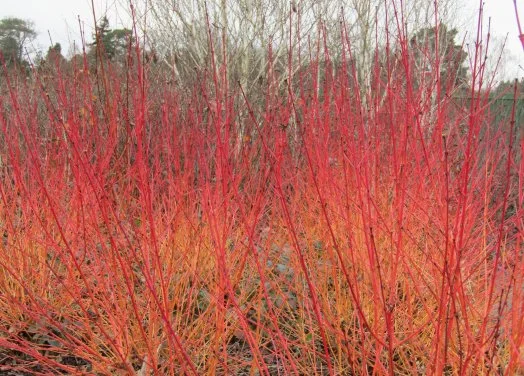
Most attractive form with unusual orange-yellow and red stems, which are very colourful in winter. In autumn the green leaves turn butter yellow and remain on the bushes well into November before falling, far longer than other dogwoods, then finally drop. Flat heads of creamy-white flowers late spring or early summer which are pollen and nectar rich so attractrive to bees, followed by blue-black fruits eaten by birds and other mammals. Bushy habit. Its bushy habit and smaller size make it good for planting on the edge of a bed of Dogwoods.
Reviews
There are no reviews yet.